Many consider the most crucial part of recovering from a substance use disorder (SUD) to be getting sober. It’s true that sobriety is a huge accomplishment and an extremely important step on the path to making a full recovery from an SUD, but it is far from the last. Without access to long-term resources through proper support services in recovery, it can be next to impossible to attain and maintain recovery.
Recovery is more than just abstaining from substance use – a commonly overlooked facet of the process is the development, or re-development, of key life skills. Substance use is pervasive, often depriving its victims of performing societal functions and creating a barrier to returning to a sense of normalcy.
If you or a loved one is suffering from an SUD, recovery is possible and within your reach – but finding the right support can make all the difference between struggling in sobriety and thriving in recovery. There is no quick fix for addiction, but by employing a long-term recovery plan, rebuilding your life after addiction is a real and attainable prospect.
What Qualifies as a Substance Use Disorder?
Substance use disorders are classified by the DSM-5 (NIH, 2022) as a treatable, yet chronic condition. Specifically, a SUD diagnosis is applicable when an individual misuses a substance (alcohol, tobacco, narcotics, opioids, etc.) to a point that it greatly impairs their ability to conduct a normal life and/or essential societal functions.
Criteria for SUDs
There are many qualifications for this disorder, most notably including;
- Impaired control over substance use –
- Consuming large amounts of a substance for long periods of time, often in larger quantities or for longer time frames than intended
- A desire to stop using the substance and trying (unsuccessfully) to stop usage
- Dedicating significant time towards obtaining, using, and recovering from a substance
- Cravings or an intense desire to use the substance
- Social impairment –
- A user’s substance use affects their ability to complete work, school, and/or familial obligations.
- Use of the substance creates rifts in relationships.
- Substance use impedes participation in hobbies and other activities.
- Risky use –
- Substance use is paramount to all other activities, leading to usage in dangerous environments under unsafe conditions.
- Continued use despite acknowledgment that it is psychologically or physically harmful to the recipient
- Pharmacologic –
- Significant tolerance to the substance, requiring increasingly large doses to satisfy urges
- Withdrawal symptoms become present when the use of the substance is halted.
Under the DSM-5-TR classification system, SUDs fall into three main categories: mild, moderate, and severe. Mild substance use disorders involve two to three of the above criteria, with four to five for moderate and six or more in severe SUD cases.
Common Misconceptions Surrounding Substance Use Disorder (SUD) Recovery
Many people (and, unfortunately, programs and professionals) place great emphasis on detoxing and immediate rehabilitation services but fail to recognize the necessity of long-term solutions and reinforcement of positive practices. To make a full recovery, these aspects are essential; failing to prepare for recovery often means a brief stint in sobriety that doesn’t translate into true recovery.
In 2022, the National Institutes of Health, through the National Library of Medicine’s National Center for Biotechnology Information, analyzed U.S. inpatient hospitalization data from the Nationwide Inpatient Study (Zhu and Wu, 2018). Research from this analysis found that only 13% of inpatient drug detoxification patients received detox and rehabilitation services capable of teaching lasting recovery strategies, with 14% of patients being discharged against medical advice (DAMA).
These numbers reflect multiple levels of failure within the rehabilitation industry and as a society. Data proves that sobriety through detox on its own is often not sustainable because people experience a distinct lack of the resources necessary to transition to full recovery. While remaining free of the substance is crucial, with no other guardrails in place, the likelihood of relapsing is greatly increased when people aren’t equipped with appropriate life skills in recovery.
2019 research published in Alcoholism, Clinical and Experimental Research studied detoxification in conjunction with long-term rehabilitation (Kelly et al, 2019). It found that 58% of people entering treatment had one or more previous attempts at detoxification, with 19.4% reporting two to five attempts.
There appear to be multiple reasons for this, but a lack of resources is one of the most frequently mentioned. For example, newly sober people often face socioeconomic challenges that can make recovery and reintegration into sober living extremely difficult. These struggles are only amplified for people addicted to opioids, as they are highly addictive and community-based. For these individuals, long-term opioid treatment and intensive recovery plans are especially important, as breaking these habits and the schedules associated with them is extremely difficult.
What Happens After Rehab?
After a brief stint in rehab, people without the advantage of personalized, long-term addiction treatment often feel left without a clear direction. The risk of relapse is high, especially if sobriety vs recovery is the end goal and long-term care plans aren’t established early on. No plan is one-size-fits-all, so picking a solution best suited to your needs can be extremely impactful to your path to recovery.
While it may seem daunting, you are not alone in this fight. In fact, the 2024 National Survey on Drug Use and Health (NSDUH) concluded that 134.4 million Americans aged 12 and over report alcohol use (SAMHSA, 2024). Of these users, 43.1% (57.9 million) reported binge alcohol use, with 25.1% of binge drinkers reporting heavy alcohol use (10.8% of all alcohol users, equating to 14.5 million Americans).
As you can see, while seeking recovery is often associated with feelings of shame or inadequacy, these issues are more common than most realize. Substance use disorder is all too common. The same NSDUH report found that nearly 1 in 6 Americans have experienced SUD symptoms in the past year. This disease is isolating and frightening, but with the right treatment plan focused on long-term recovery over clinging to sobriety, there is hope.
The Role of Peer Support & Continuous Guidance
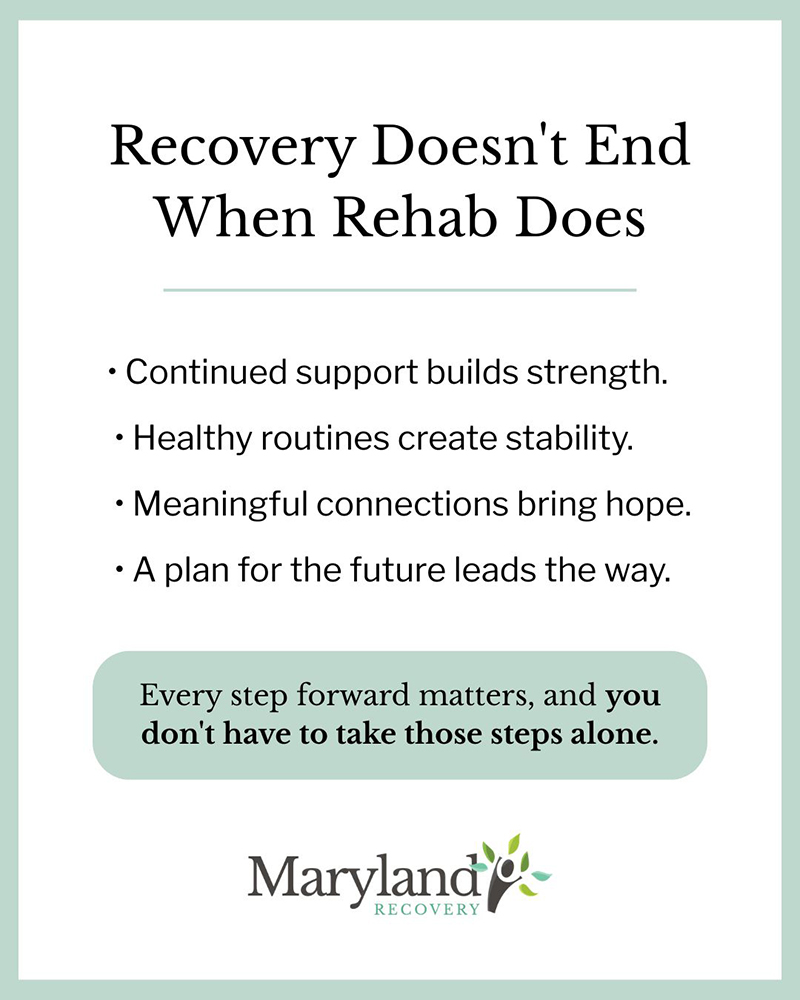
Fortunately, many options exist for aftercare post-rehab. These solutions range in length and level of involvement, allowing you to find the right fit for your unique circumstances. Through these personalized drug and alcohol treatment programs, the support of your peers and continuous professional guidance can be extremely beneficial in making a full recovery.
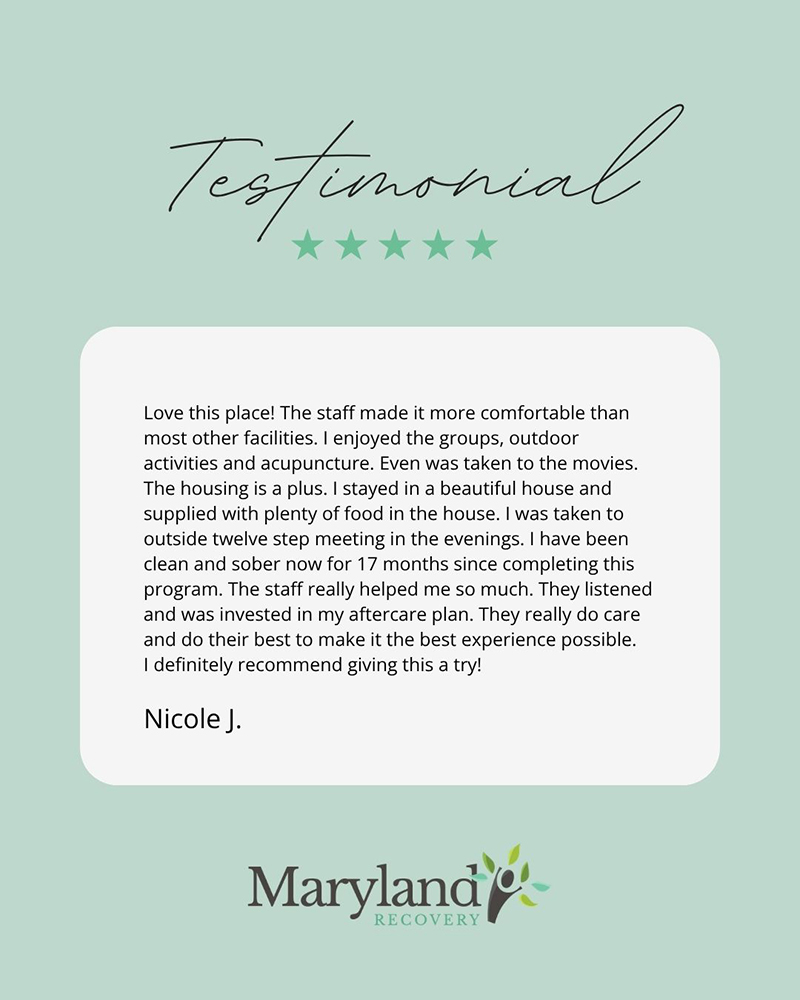
The best treatment programs incorporate a comprehensive, personalized regimen that includes intensive outpatient options combined with holistic treatment, 12-step programs, sober home living arrangements, and other aftercare resources. Whatever your needs, there is a path for you.
By ensuring you receive adequate care after rehab, you are setting yourself up for success. Resources like AA and sober home living allow you to maintain recovery, not just sobriety, because you are supported by those who have experienced similar struggles. In an environment such as this, your peers can empower you to hold yourself accountable, helping you build your confidence as you adapt to a new schedule of structure and reliability.
Frequently Encountered Challenges During The Recovery Process

All steps of recovery are difficult, but some obstacles prove more difficult to overcome than others. Many of these roadblocks may seem impossible to face on your own, but with the right team on your side, returning to a sense of normalcy is entirely possible.
For example, during active substance use, many people lose, misplace, or even forfeit critical documents like driver’s licenses, birth certificates, and Social Security cards. These forms of identification are necessary for pursuing housing and employment opportunities, making them critical to your recovery. Recovery programs with community resources and lasting support can help you secure lost documentation and identify avenues for employment and housing.
In addition, gaps in employment history and/or criminal records can serve as significant deterrents to seeking safe housing and career options. However, these hurdles can be overcome with the right support systems. The data support these efforts – a 2021 controlled trial found that those in recovery greatly benefited from participating in consistent job-seeking activities (Holtyn et al., 2021). In fact, after regularly searching for jobs for an extended period of time, 59% of participants were able to secure employment.
Don’t allow missing/lost information, deficient employment/education history, and/or a criminal record to prevent you from seeking a better life. A path to recovery is available to anyone, no matter how dire you may believe the circumstances to be. With proper recovery support, you can return to contributing to your family and society.
Why Is Proper Case Management in Addiction Treatment Crucial to a Full Recovery?
During addiction treatment, proper case management can be crucial to achieving recovery. Case managers are essential for a smooth transition from inpatient recovery to a return to daily life and outpatient services/aftercare planning.
After a detox or inpatient rehabilitation program, returning directly home can be one of the most detrimental choices you can make. For many, the place you live is also the place you used your chosen substance. This can present many dangerous triggers, making both sobriety and long-term recovery extremely difficult.
Effective addiction case management can help provide the resources necessary to prevent this from occurring. By coordinating appointments with both doctors and therapists, case managers can help you determine which treatment is ideal for your needs. In addition, they are also well-versed in helping you find and maintain a job, secure a safe and sober living environment, and, in some cases, aid you in resolving pending legal issues.
Learning Life Skills in Recovery Is Essential to Rebuilding Life After Addiction
During addiction, a loss of participation in normal activities and societal functions is extremely common. However, the importance of rebuilding these life skills in recovery is often overlooked, with many of those experiencing SUD left to their own devices. Without proper reconciliation, people who settle in sobriety are unfortunately predisposed to relapse.
To maximize your chances of lasting recovery, it is vital to develop skills conducive to leading a full life and fostering a renewed sense of social responsibility. The most basic life skills – holding a job, cooking a meal, making financial decisions, navigating daily stressors, finding transportation – afford you or your loved one independence after addiction treatment. Independence and social responsibility are key components of reintegration into your “new normal.”
Maryland Recovery’s Commitment to Your Long-Term Goals and Success
At Maryland Recovery, we are dedicated to getting you or your loved one the personalized help needed to maintain lasting recovery. Our outpatient recovery programs are tailored to your unique situation, with options ranging from partial hospitalization programs and medication-assisted treatment to less intensive outpatient and sober living options. With our holistic long-term approach to recovery, your path to reclaiming your life will look exactly how you need it to look to transition from mere sobriety to recovery.
Our caring team can serve as a strong advocate for you every step of the way. Our case managers and other personnel can assist from beginning to end, whether you’re choosing a personalized recovery plan or working to find sober housing. Together, peer support networks and expert case managers within our structured environment can help you maintain sobriety while beginning the real work of recovery – re-establishing familial connections and maintaining healthy coping skills that will last a lifetime. This long-term approach extends beyond traditional rehab, providing resources for tasks such as regaining control of your finances and securing court representation.
Explore Your Recovery Options With Maryland Recovery Today
Don’t hesitate to get the compassionate care and invaluable resources you deserve. At Maryland Recovery, we understand the many intense hardships associated with having a substance use disorder. Our team is committed to getting you the help you need without sacrificing quality or paying exorbitant fees.
Safe, cost-effective treatment should be accessible to all, and Maryland Recovery offers personalized programs to meet a wide range of needs. Whether you or a loved one is interested in moving past sobriety to true recovery or simply wants to learn about treatment plans, please call Maryland Recovery today. A trusted team member is available 24/7 to help you explore your options.
Sources:
- Substance Abuse and Mental Health Services Administration. (2020). Levels of care and treatment settings (Table 3). In Treatment Improvement Protocol (TIP) Series. National Center for Biotechnology Information. https://www.ncbi.nlm.nih.gov/books/NBK565474/table/table-3/
- McLellan, A. T., & Woodworth, A. M. (2014). The affordable care act and treatment for “substance use disorders”: Implications of ending segregated behavioral healthcare. Journal of Substance Abuse Treatment, 46(5), 541–545. https://www.ncbi.nlm.nih.gov/pmc/articles/PMC6114033/
- Kelly, J. F., Bergman, B. G., Hoeppner, B. B., Vilsaint, C. L., & White, W. L. (2019). Prevalence and pathways of recovery from drug and alcohol problems in the United States population: Implications for practice, research, and policy. Drug and Alcohol Dependence, 181, 162–169. https://www.ncbi.nlm.nih.gov/pmc/articles/PMC6602820/
- Reif, S., Braude, L., Lyman, D. R., Dougherty, R. H., Daniels, A. S., Ghose, S. S., Salim, O., & Delphin-Rittmon, M. E. (2020). Peer recovery support for individuals with substance use disorders: Assessing the evidence. Journal of Substance Abuse Treatment, 111, 1–10. https://www.jsatjournal.com/article/S0740-5472(20)30417-7/fulltext
- Substance Abuse and Mental Health Services Administration. (2025). 2024 National Survey on Drug Use and Health (NSDUH) annual national report. U.S. Department of Health and Human Services. https://www.samhsa.gov/data/sites/default/files/reports/rpt56287/2024-nsduh-annual-national/2024-nsduh-annual-national-html-071425-edited/2024-nsduh-annual-national.htm

A solution focused therapist with over a decade in the helping services, I am attuned to the broad expanse of holistic recovery. My mission is inspired by the work of Joseph Campbell, Dr. Wayne Dyer, and Fr. Joseph Martin. I am well versed in the specific needs of the recovery community and am trained in EMDR.