
For years, the pervasive image of the heroin recovery process involved “getting through detox” or “going away for 30 days.” This is, unfortunately, still a common answer when people ask what to expect from heroin addiction treatment.
This approach usually ends up failing people seeking recovery from substance use disorder. That’s because heroin addiction is a chronic medical condition, and effective treatment requires medication, structure, and long-term outpatient care, not short-term detox or a one-time an extended outpatient treatment model stay.
Fortunately, modern heroin treatment can look very different from the stereotypical depictions most of us associate with rehab. Medical professionals have invested time in discovering recovery methods that truly support people with substance use disorders on the road to recovery, as well as their families.
What Heroin Addiction Really Does to the Brain
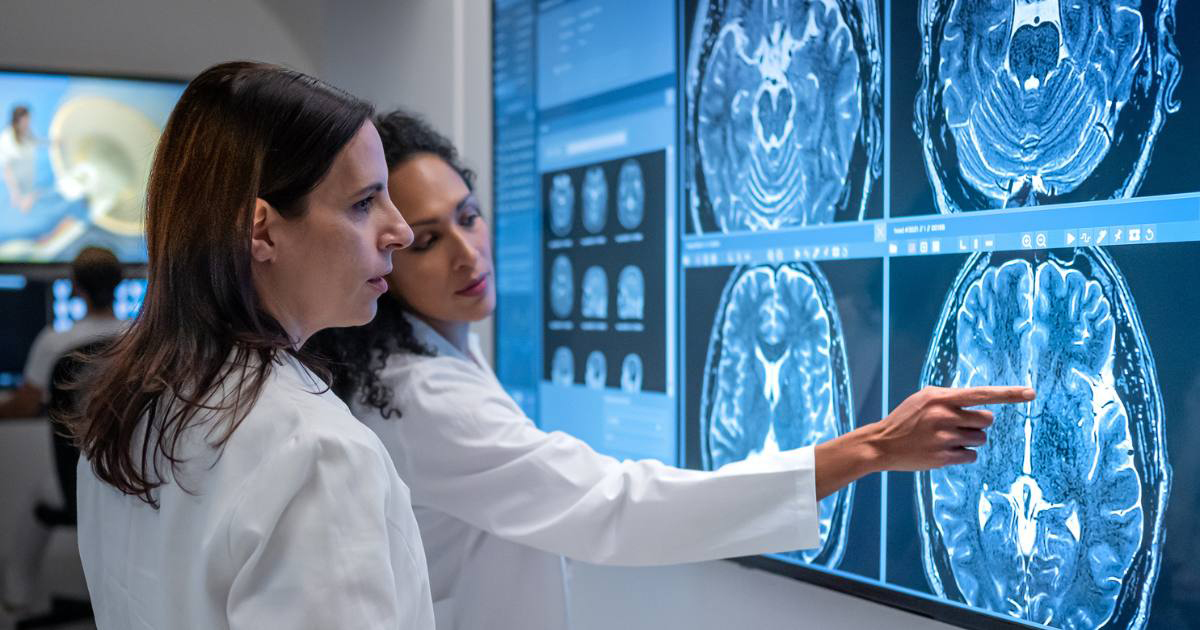
Heroin is an opiate that can act as a powerful central nervous system depressant, rapidly crossing the barrier between blood and brain, then converting into morphine. This binds opioid receptors throughout the brain and nervous system, producing a short-lived euphoric rush.
People who use heroin may develop lasting structural and chemical changes, which typically drive addictive behavioral patterns. According to the National Institute on Drug Abuse (NIDA, 2011), heroin can impact the brain in the following ways:
Short Term Effects
There are numerous short-term effects of heroin use.
- Rapid Euphoria – When heroin enters the brain, it binds to mu-opioid receptors. This binding triggers a massive release of dopamine, which can cause a surge of euphoria.
- Nodding – Nodding typically occurs after the release of euphoria, leaving a person using a substance alternating between a state of wakefulness and drowsiness.
- Suppressed Functioning – Heroin can inhibit the brain stem, which is in charge of regulating automatic bodily functions. This can lead to slowed breathing, a decreased heart rate, and lowered blood pressure.
- Mental Clouding – Cognitive fog is commonly experienced by a person using a substance, diminishing the brain’s overall level of functioning.
Long Term Effects of Heroin Use
Chronic heroin use can lead to the following long-term effects:
- Substance Use Disorder – Frequent heroin use changes the physical structure of their brain, as well as its chemical functioning, as a way of adapting to the drug’s presence. This may cause the brain to stop producing dopamine naturally, leaving the individual to rely on the use of heroin to perform this necessary brain function.
- Neurological Damage and Cognitive Impairment – Chronic heroin use can lead to a variety of serious neurological changes, such as neurodegeneration and toxic leukoencephalopathy. Cognitive impairment is also a common side effect, resulting in a decline of memory, executive function, and attention capabilities.
- Increased Tolerance and Dependence – Over a period of time, the brain’s level of both heroin tolerance and dependence grows, which means that most people using a substance require more heroin to reach the desired effect, forcing them to rely on consumption just to maintain a sense of normalcy. This also makes withdrawal much harder, and it can lead to pain, insomnia, and vomiting due to the brain no longer being able to self-regulate.
- White Matter Deterioration –The long-term use of heroin is commonly linked to a reduction in the white matter of the brain, which affects decision-making, stress response, and behavior regulation.
Overdoses, Brain Injuries, and Lasting Changes
The greatest risks for anyone who uses heroin are long-term brain damage and overdose. These are commonly linked to hypoxia, which occurs when heroin slows breathing so much that the individual suffers from respiratory depression, and not enough oxygen can reach the brain. This can result in permanent brain damage, send individuals into a coma, or even lead to death.
These drastic alterations to the body’s natural functions are what make it so difficult to break the cycle of substance use. Even after going through withdrawal, the body still craves the effects of the drug.
The effects of heroin can easily become all-consuming, making recovery feel impossible. Especially in the early stages, those recovering from heroin use disorder crave heroin to meet the body’s need for dopamine.
This is where the support of medications can make a significant difference for people who need real heroin treatment. The risk for relapse is at its highest when people with substance use disorders begin to experience stress, cravings, and triggers. FDA-approved prescription medications can assist the body in easing symptoms and manufacturing or releasing dopamine while the body recovers from the lack of heroin.
Why Medication-Assisted Treatment is Often Necessary
Medication-Assisted Treatment, or MAT, is an evidence-based approach to recovering from heroin dependence. It can greatly reduce the risk of relapse and overdose by stabilizing people enough to regain physical strength and participate in therapeutic sessions.
Therapy can be a powerful tool, but without the added assistance of medication, those struggling with substance use disorders may become overwhelmed by the lack of the drug in their systems, as well as the inability to function the way the body typically does without the use of heroin.
For many heroin users, MAT is not an optional step on the road to recovery. It is an essential cornerstone in the path toward improved functioning overall. Learning how MAT fits into long-term recovery is one way that you and your loved ones can prepare for the journey ahead. You do not have to face withdrawal alone.
The Role of Long-Term Outpatient Care
At Maryland Recovery, one of the most crucial aspects of our heroin treatment program is the way we approach patient care. We are a long-term outpatient care center, which means that we do not have live-in patients, nor do we aim to send individuals back out on their own in a matter of weeks.

Our treatment happens through the following structured outpatient levels:
The Partial Hospitalization Program (PHP)
Our team is deeply committed to ensuring that individuals with substance use disorders are closely monitored and guided throughout every week of their partial hospitalization program. We understand how crucial those first few weeks can be to those seeking long-term recovery, which is why we have developed a highly structured schedule that allows us to closely monitor our patients most hours of the day. The focus is on both individual counseling and group therapy as well as psychiatric help and MAT, all while enabling patients to maintain support systems outside of our facility.
Intensive Outpatient Substance Use Treatment Program (IOP)
The next step is the intensive outpatient program, or “IOP,” which is structured around each patient. The road to recovery does not look the same for everyone, so we strive to tailor this stage of care to our clients’ unique needs.
While this stage does require hours of treatment (hence the term “intensive”) it is less rigidly scheduled than PHP. Often, this enables individuals to begin re-establishing routines and consider re-entering their lives with the support they need to combat their reliance on heroin. The program focuses on the group therapy, individual counseling, and tools necessary to prevent relapse.
This stage of recovery is also available to those who have already completed a detox or an extended outpatient treatment program somewhere else but would like to maintain the necessary level of support to continue to pursue recovery..
Ongoing Outpatient Support
While we do not offer inpatient or an extended outpatient treatment services, we make it our goal to walk alongside you the entire time, offering ongoing outpatient support. Our clients are free to choose community-based recovery support resources, but the treatment itself remains outpatient. This is because we believe in building trust.
When an individual is always being watched, they are denied the opportunity to make personal decisions and utilize the tools they have acquired to help them avoid falling back into heroin addiction. This can make them more vulnerable when the time comes to re-enter their normal lives.
By remaining diligent but providing outpatient services only, we give our clients the chance to prove to themselves that they are strong enough to keep moving forward.
Why Short-Term Treatment Fails Heroin Addiction
Despite many claims within the treatment industry, there is no fast-working miracle cure for substance use disorders. Recovery takes time, dedication, and plenty of support from staff and loved ones. Even then, it is not always linear.
While short-term care facilities would like patients to believe that a heroin addiction can be resolved in a few weeks, this is typically not the case. Recovery is a fragile and even volatile process, especially in the early stages. This is why long-term accountability and structure matter. This approach can equip, empower, and embrace the individual instead of simply eliminating the drug, only to send them back out into the world when the physical symptoms of withdrawal fade.
So much of recovery is dependent on the mental and emotional stability of the individual, which is why deciding if someone is ready to return to their normal life based on their physical symptoms is an ineffective approach. While most short-term care centers want the best for their patients, those struggling with substance use disorders are often better served by long-term support and accountability alongside well-established, ongoing routines.
What Long-Term Recovery Actually Requires
The road to recovery is paved with several key building blocks, creating a strong foundation for individuals struggling with heroin addiction to launch from.
Here are some of the most important aspects of long-term recovery:
- Medication – When appropriate, medication can help individuals meet some of their physical needs in an effort to decrease the severity of symptoms they experience when no longer using heroin. This enables them to be less distracted by their body’s confused signals, allowing them to focus on therapy sessions, as well as re-entering their life with a decreased risk of relapse.
- Therapy and Accountability – While people often think about the physical elements of substance use disorders, the mental and emotional factors are equally, if not more, important. With safe spaces for therapy and holding the individual accountable, patients can grow to understand why they felt reliant on heroin, and, without shame, develop new coping mechanisms in absence of dangerous substances.
- Relapse Prevention Skills – Relapse may feel inevitable, but it does not have to be. We believe in education alongside the tools, medications, and routines that can help clients decrease the risk of relapse and increase their confidence.
- Stable Community-based Recovery Support Resources and Routine – While Maryland Recovery is an outpatient clinic, we still believe in helping our clients ensure that they have stable community-based recovery support resources and routines when in recovery. This is an essential step toward re-entering their world. Stable community-based recovery support resources and routines mean patients are better equipped to resist relapsing.
- Time – Recovering from a broken bone does not happen overnight, and the same goes for recovering from a substance use disorder. Giving yourself or your loved one the time they need to replace a reliance on heroin with healthier habits, self-confidence, and important lifestyle changes is one of the greatest things you can do.
Reassurance for Families
If your loved one is struggling with a substance use disorder, keep these key thoughts in mind:
- You’re not failing your loved one by choosing outpatient care. Just because they will not be under round-the-clock supervision does not mean that they will relapse.
- You’re not “giving up” by considering MAT. People facing disorders like ADHD or diseases like cancer frequently and effectively use medications to improve their quality of life and capability to live it. The same goes for MAT for those battling substance use disorders.
- Recovery is possible with the right structure. The Maryland Recovery team has dedicated our time and resources to better understanding treatment techniques that are actually effective for those seeking recovery.
- You are not alone. Perhaps one of the most important truths is that we believe in supporting our patients and their loved ones. You do not need to experience this journey in isolation.
Get More Information About Heroin Recovery Today
If you’re struggling to imagine what effective heroin addiction treatment should look like, Maryland Recovery can help.
We’re here to shed light on the options so you can choose a path that works.
Contact us today to learn more about how we can help you and/or your loved one pursue true recovery and reach a future that feels worth living.

*Editor’s Note: This article, published April 10, 2026, is an updated combination of articles published between 2016 and 2018.
Sources:
- Medline Plus. (2023, September 8). Heroin. Medlineplus.gov; National Library of Medicine. https://medlineplus.gov/heroin.html
- National Institute on Drug Abuse. (2011, July). What are the immediate (short-term) effects of heroin use? National Institute on Drug Abuse. https://nida.nih.gov/publications/research-reports/heroin/what-are-immediate-short-term-effects-heroin-use

A solution focused therapist with over a decade in the helping services, I am attuned to the broad expanse of holistic recovery. My mission is inspired by the work of Joseph Campbell, Dr. Wayne Dyer, and Fr. Joseph Martin. I am well versed in the specific needs of the recovery community and am trained in EMDR.